
Rise From Card Zero to Royal Flush Hero

Rise From Card Zero to Royal Flush Hero
There is something almost poetic about the moment a player sits down at a virtual table with nothing but a pair of twos and walks away hours later clutching a memory of a perfect straight flush. The journey from having no hand at all to holding the most coveted combination in poker is not just about luck—it is about knowing where to play and how to think. For those seeking a space that balances tradition with modern flair, the environment at http://luckysheriff.website/ offers a curious blend of old-school charm and digital convenience, a place where beginners and veterans alike can test their nerve.
The first step in any card game is understanding that every player starts at zero. Cards are dealt, chips are stacked, and the unknown sits between each round. What separates a casual participant from a true hero is not the hand they are given but the choices they make when the pressure mounts. Whether you enjoy the tension of Texas Hold’em or the faster rhythm of Omaha, the foundation remains the same: read the table, manage your stack, and keep your emotions in check.
The Mindset That Turns Blanks into Triples
Many newcomers believe that winning requires a perfect starting hand. In reality, the most memorable victories often come from unlikely beginnings. A pair of low cards might seem worthless, but in the right situation—with a flop that connects and opponents who underestimate you—that humble start can transform into a powerful triple or even a full house. The trick lies in patience and observation. Watch how others bet, notice patterns, and wait for the moment when the odds tip slightly in your favor.
It is also helpful to remember that poker is a series of small decisions, not a single dramatic move. Folding a weak hand early may feel boring, but it preserves your resources for a better chance later. Players who chase every pot often find themselves short-stacked before the final rounds. The heroes of the felt are those who know when to step back and when to push forward with calculated aggression.
Table Etiquette and Smart Betting
Even in the digital realm, how you conduct yourself at the table matters. Unnecessary taunts, reckless all-ins, or ignoring the betting order can sour the experience for everyone. A respectful player not only enjoys the game more but also gains respect from opponents, which can be a subtle advantage. When you play thoughtfully, others may hesitate to bluff against you, knowing you are paying attention.
One of the most overlooked skills is bankroll management. It does not matter if you have a royal flush once in a blue moon if you lose all your chips on mediocre hands in between. Set limits for yourself—both for wins and losses—and stick to them. This discipline is what allows a player to keep coming back, improving over time, and eventually catching that perfect run of cards.
Common Pitfalls and How to Sidestep Them
Even experienced players fall into traps. Here are a few frequent mistakes to avoid:
- Playing too many hands: Quality over quantity is the golden rule. Fold weak starting hands.
- Ignoring position: Acting later in a round gives you more information. Use it wisely.
- Chasing draws blindly: Hope is not a strategy. Calculate the odds before calling big bets.
- Going on tilt: After a bad beat, take a short break. Emotional decisions lead to bigger losses.
- Forgetting to adapt: If opponents notice your patterns, change your pace and surprise them.
Comparing Common Poker Variants
Different games require different approaches. The table below highlights a few key differences between popular formats often found in online rooms.
| Variant | Number of Hole Cards | Community Cards | Key Skill |
|---|---|---|---|
| Texas Hold’em | 2 | 5 | Hand reading and patience |
| Omaha | 4 | 5 | Combination counting |
| Seven-Card Stud | None (individual hands) | None | Memory and observation |
| Five-Card Draw | 5 | None | Bluffing and reading intent |
Each variant offers a different flavor, but the core principles of discipline and adaptability remain universal. Experimenting with multiple types can sharpen your overall game and keep boredom away.
Frequently Asked Questions
Q: Is it possible to win consistently in poker?
A: Consistent winning requires a combination of skill, bankroll management, and emotional control. No one wins every session, but good players come out ahead over time.Q: What is the most common mistake beginners make?
A: Playing too many hands. New players often overestimate the value of mediocre cards and end up losing chips unnecessarily.Q: How can I improve my reading of opponents?
A: Pay attention to betting patterns, timing, and how they react to different board textures. Over many sessions, you will notice tendencies.Q: Should I always bluff?
A: No. Bluffing is a tool, not a strategy. Use it sparingly and only when the situation and your table image support it.Q: Are online tables different from live ones?
A: The fundamentals are the same, but online play is faster and you cannot see facial expressions. You rely more on betting patterns and timing tells.Q: What is the best way to learn?
A: Start with low stakes, review your hands after each session, and gradually increase the challenge as you gain confidence and experience.
From Zero to Hero: The Final Card
Rising from a blank slate to a player who can calmly call a bluff or celebrate a rare royal flush does not happen overnight. It is built through countless small decisions, hours of observation, and the willingness to learn from losses. The joy of poker lies not just in the big wins but in the gradual mastery of a game that is part math, part psychology, and part art. Whether you are holding a pair of deuces or waiting for that perfect ten, jack, queen, king, ace of the same suit—every hand is a new beginning. The hero is not the one who never loses, but the one who keeps playing smartly and enjoys the ride.
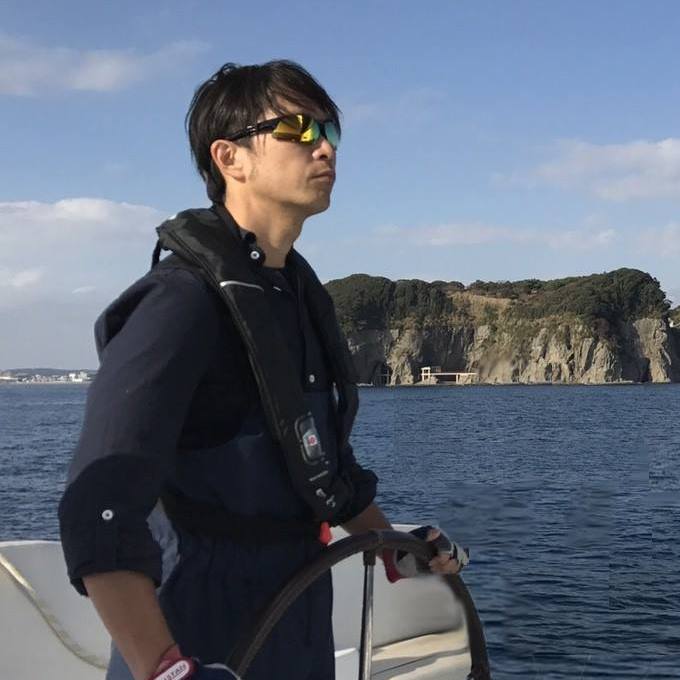
岐阜県海津市生まれ。横浜を拠点にウェブ制作と気象防災アドバイザーとして活動中。
頻発する自然災害のたびに、人と人との繋がり、絆の尊さを感じさせられます。大切な人に想いを伝える、届けたい相手に想いを届ける。そんなお手伝いができたらと思います。
趣味はセーリング、マリンダイビング。料理・製菓製パン。風景写真(ContaxAria)