
Master the Infinite Loop of Profitable Growth
Master the Infinite Loop of Profitable Growth
Picture a system that runs like a well-oiled machine—always moving, always refining itself, never hitting a dead end. That’s the core idea behind infinity Australia and its unique philosophy of sustainable expansion. Instead of chasing quick wins that fizzle out, this approach focuses on creating a self-reinforcing cycle where growth feeds on itself. To see how this concept is shaping modern strategies, many professionals turn to resources like casinoinfinityau.com for deeper insights into the mechanics of perpetual momentum.
The essence of this model lies in compounding feedback loops. Every small improvement—whether in efficiency, customer experience, or innovation—triggers a chain reaction. For instance, refining a single workflow can reduce costs, freeing up resources for R&D, which then leads to better products, attracting more customers, and generating fresh data for further refinements. This isn’t a one-time sprint; it’s a marathon where each lap makes the next one easier.
To truly grasp the “infinite loop,” it helps to break down the key drivers that keep the cycle turning. These are not isolated pillars but interdependent gears that must work in harmony.
The Core Gears of the Infinite Loop
At the heart of this system are three primary forces: customer-centricity, data agility, and iterative innovation. Let’s explore each.
- Customer-Centricity: Placing user needs at the center creates loyalty and organic referrals. Happy customers don’t just return; they amplify your reach through word-of-mouth.
- Data Agility: Real-time analytics allow you to spot trends before they become obvious. Acting on insights quickly prevents stagnation and keeps the loop tight.
- Iterative Innovation: Small, frequent improvements—rather than massive overhauls—reduce risk and maintain momentum. Each tiny win builds confidence and momentum.
These elements feed into each other. Better data reveals customer pain points, which inspires targeted innovations, which in turn deepens customer satisfaction—and the cycle begins anew.
Speed vs. Stability: Finding the Right Rhythm
One common misconception is that an infinite loop must run at full throttle constantly. In reality, sustainable growth requires a delicate balance between acceleration and recalibration. Moving too fast can burn out teams and dilute quality; moving too slow breaks the loop. The trick is to establish a rhythm—a heartbeat for your operations—that allows for both rapid experimentation and thoughtful reflection.
Consider the analogy of a spinning top. It needs enough initial spin to stand upright, but if it spins too wildly, it wobbles and falls. Similarly, profitable growth demands a steady, controlled energy that adapts to external forces. This is where many enterprises in the Australian market excel, leveraging their unique position to blend global trends with local nuances.
Comparing Infinite Loop Models
Not all growth cycles are created equal. Below is a quick comparison of three common frameworks used in modern business strategies.
| Model | Primary Focus | Key Strength | Potential Weakness |
|---|---|---|---|
| Infinite Loop | Continuous feedback and improvement | Creates long-term compounding effects | Requires strong discipline to avoid stagnation |
| Waterfall | Linear, stage-by-stage execution | Clear structure and milestones | Inflexible and slow to adapt |
| Agile Sprint | Short bursts of rapid development | Fast iteration and flexibility | Risk of losing long-term vision |
As the table shows, the infinite loop model prioritizes sustained momentum over immediate results. It’s not about winning a single race but about never stopping the engine of improvement.
Practical Steps to Ignite Your Own Loop
Ready to apply these principles? Start by auditing your current processes. Identify one small area where a tweak could generate a ripple effect. Then, commit to measuring the outcome obsessively. The goal is not perfection but continuous motion.
Another key is to create a culture that celebrates learning from failure. In a traditional setup, mistakes are hidden. In an infinite loop, they are valuable data points that tighten the cycle. Encourage teams to share setbacks openly, and use them to fuel the next iteration.
Frequently Asked Questions
Q: What industries benefit most from this infinite loop approach?
A: Any sector that relies on user engagement and data—like tech, finance, hospitality, or e-commerce—can thrive. However, the principles apply universally wherever feedback is measurable.
Q: How do you prevent the loop from becoming a hamster wheel of pointless activity?
A: Always anchor each iteration to a clear strategic goal. If a change doesn’t serve the core mission, it’s noise. Regular reviews help filter out non-essential spins.
Q: Can small businesses apply this model, or is it only for large enterprises?
A: Small businesses often have an advantage—they can pivot faster. Start with a simple feedback loop between you and your customers, and scale from there.
Q: Does infinity Australia have a unique take on this concept?
A: The Australian context emphasizes resilience and adaptability, partly due to geographic isolation and a competitive local market. Many practitioners blend global best practices with a down-to-earth, practical mindset.
Q: What’s the biggest mistake people make when trying to create an infinite loop?
A: Overcomplicating the first step. Trying to design a perfect system from day one leads to paralysis. The loop itself will shape your path—just start turning the wheel.
Q: How long does it take to see tangible results?
A: Some effects, like improved team morale, appear quickly. Financial returns may take several cycles. Patience is essential—the power is in the compound nature of the loop.
Q: Is there a risk of burnout from constant iteration?
A: Absolutely. That’s why the loop must include rest periods and time for reflection. Growth doesn’t mean relentless action; it means intelligent, rhythmic motion.
Ultimately, mastering the infinite loop is about shifting your mindset from “finishing” to “continuing.” In a world that craves instant results, the real competitive edge belongs to those who embrace the beautiful, endless cycle of profitable growth. The journey is the destination—and it’s one worth taking.
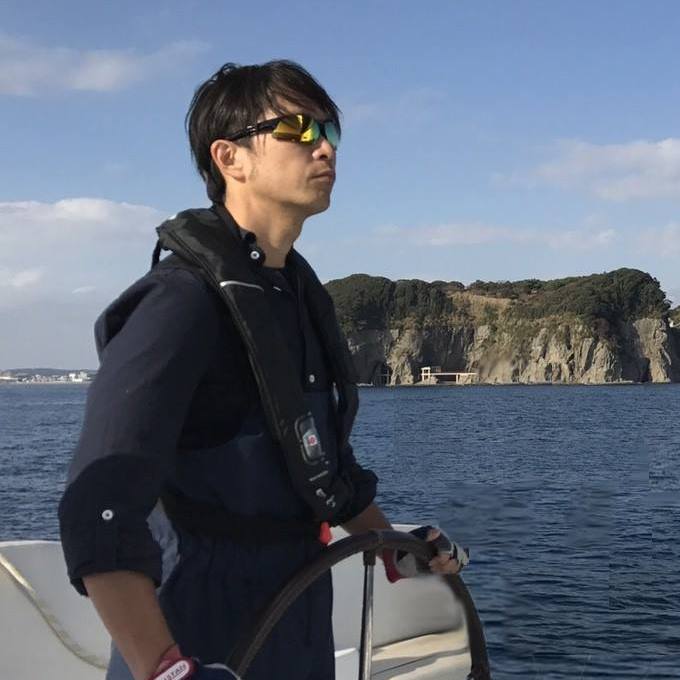
岐阜県海津市生まれ。横浜を拠点にウェブ制作と気象防災アドバイザーとして活動中。
頻発する自然災害のたびに、人と人との繋がり、絆の尊さを感じさせられます。大切な人に想いを伝える、届けたい相手に想いを届ける。そんなお手伝いができたらと思います。
趣味はセーリング、マリンダイビング。料理・製菓製パン。風景写真(ContaxAria)