
Mastering the Mind Games of Penalty Shootouts
Mastering the Mind Games of Penalty Shootouts
There is a unique tension that settles over a football pitch when a match comes down to spot kicks. The entire stadium holds its breath as a single player walks from the center circle toward the box. It is a moment stripped of tactics, formations, and team play—a pure duel between kicker and goalkeeper. Yet, beneath the surface of this solitary confrontation lies a complex web of psychology, strategy, and nerve control. Whether you are watching a real tournament or exploring a themed experience like the one found at lilymayclothing.co.uk, understanding the mental warfare of these moments can transform how you see the drama unfold.
The Weight of Silence and Expectation
Before the ball is even placed on the white mark, the environment works on both players. The crowd quiets down, teammates link arms along the halfway line, and the referee checks his watch. For the shooter, this pause is fertile ground for doubt. A wandering mind can lead to a rushed run-up or a poorly aimed strike. The goalkeeper, meanwhile, uses this time to broadcast confidence—standing tall, spreading arms, or staring intently. These small gestures are not accidental; they are deliberate psychological jabs designed to make the kicker second-guess their chosen corner.
Nerve control becomes the hidden skill that separates those who thrive from those who crumble. Studies of elite footballers show that the most successful penalty takers follow a consistent, repeatable routine. They breathe slowly, visualize the ball hitting the net, and block out everything except the next two seconds. This ritual creates a familiar anchor in a high-pressure moment, reducing the chaos that anxiety can bring.
The Goalkeeper’s Toolkit of Deception
The keeper in a shootout is not merely a reactive figure; they are an active agent of disruption. Many use subtle movements—a slight shift of weight, a step to one side—to influence where the shooter aims. Research indicates that keepers who delay their movement, waiting until the last possible fraction of a second, force kickers to make rushed decisions. Others rely on gamesmanship, such as tapping the post, pointing to a corner, or even smiling. These actions are designed to inject uncertainty into the shooter’s mind.
There is also the art of studying past patterns. Teams often share scouting reports on opponents’ preferred penalty spots. A keeper who knows a striker favors the bottom left corner can lean that way without fully committing. Conversely, a clever shooter may deliberately choose an unusual placement after noticing the keeper’s tell. This cat-and-mouse dynamic turns each kick into a miniature chess match played at lightning speed.
Patterns, Randomness, and the Human Brain
Humans are naturally drawn to patterns, even where none exist. In a penalty shootout, this tendency can become a weakness. If a keeper dives left three times in a row, many shooters assume the fourth will go right. Skilled keepers exploit this by breaking their own patterns unpredictably. On the other side, shooters who understand this may stick to a pre-decided spot regardless of the keeper’s previous actions, relying on statistical probability rather than intuition.
A key insight from sports psychology is that overthinking is the enemy. When a player has too much time to consider the keeper’s position, their own fatigue, or the scoreline, their natural technique suffers. The best approach is often to decide the corner before starting the run-up and commit fully, ignoring any last-minute movements from the goal line. This reduces cognitive load and lets muscle memory take over.
Comparative Penalty Taker Profiles
| Archetype | Primary Tactic | Psychological Strength | Common Weakness |
|---|---|---|---|
| The Power Hitter | Blasts the ball down the middle or high | Confidence, intimidation | Inaccuracy under pressure |
| The Placement Expert | Aims for corners with precision | Control, composure | Susceptible to keeper’s delay tactics |
| The Studier | Watches keeper’s tells and adapts | Adaptability, observation | Can overthink if keeper uses deception |
| The Gambler | Relies on randomness and gut feeling | Unpredictability | Inconsistency under repeat attempts |
Each style has its merits, but the most effective penalty takers blend elements from multiple archetypes. They combine power with placement, study without paralysis, and remain adaptable when the situation shifts. The table above shows how different approaches can succeed or fail based on the mental state of the player in that moment.
Key Takeaways for Mastering the Mental Game
- Establish a ritual: A consistent pre-kick routine calms the mind and builds muscle memory.
- Decide early, commit fully: Choose your spot before starting the run-up and ignore keeper movements.
- Use deep breathing: Controlled inhales and exhales lower heart rate and reduce anxiety.
- Study opponents subtly: Know tendencies but avoid overanalyzing in the moment.
- Embrace the outcome: Accepting that some kicks will fail frees you from fear of failure.
Frequently Asked Questions About Penalty Shootout Psychology
Q: How do professional goalkeepers decide which way to dive?
A: They combine pre-match study of the shooter’s history, real-time body language cues from the run-up, and sometimes a calculated guess based on probability. Many also commit to a side before the kick to avoid hesitation.
Q: Is it better to aim for the top corners or the bottom corners?
A: Top corners are harder for keepers to reach but increase the risk of missing the target entirely. Bottom corners offer a higher chance of staying on frame but are more reachable for a diving keeper. The choice depends on the player’s confidence and skill.
Q: Why do some players stutter their run-up?
A: The stutter step is intended to disrupt the goalkeeper’s timing by introducing a pause or change in rhythm. While it can be effective, it also increases the chance of the shooter losing their own balance or composure if not executed smoothly.
Q: Can a goalkeeper be penalized for moving off the line early?
A: Yes, modern rules require the keeper to have at least part of one foot on or above the goal line when the ball is struck. If they leave the line too soon, the kick may be retaken, and the keeper can receive a yellow card for repeated offenses.
Q: What role does team support play during a shootout?
A: Teammates can provide encouragement and reduce isolation, but excessive cheering or instructions can add pressure. Many teams designate a leader to keep the group calm and focused between kicks.
Q: How can a player practice penalty shootouts mentally?
A: Visualization exercises, simulated pressure scenarios in training, and reviewing past performances can build mental resilience. Some players also practice under fatigue to mimic real match conditions.
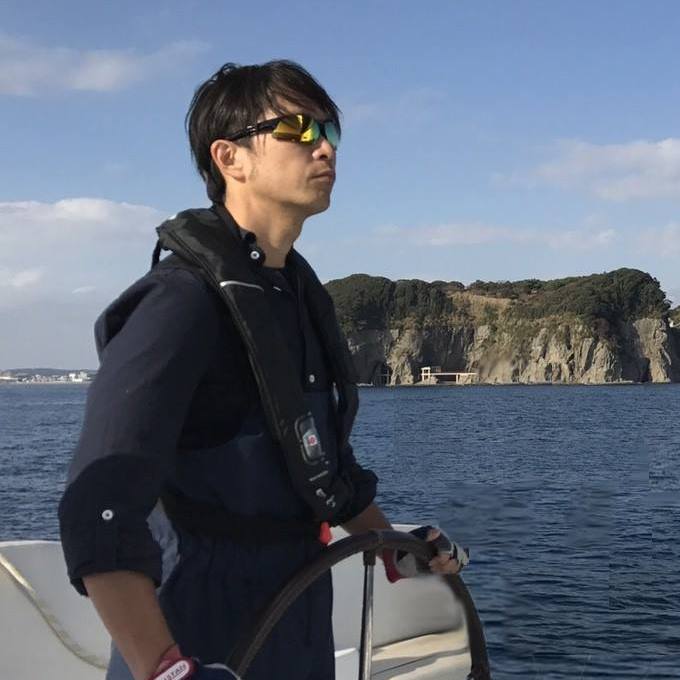
岐阜県海津市生まれ。横浜を拠点にウェブ制作と気象防災アドバイザーとして活動中。
頻発する自然災害のたびに、人と人との繋がり、絆の尊さを感じさせられます。大切な人に想いを伝える、届けたい相手に想いを届ける。そんなお手伝いができたらと思います。
趣味はセーリング、マリンダイビング。料理・製菓製パン。風景写真(ContaxAria)